

Performance
Sleep for Performance: Why Better Nights Often Deliver More Than More Training
- Published
- Reading time
- 4 min
- Author
- Marvin Ziegler
Many people try to boost their performance through training alone. More volume, more intensity, more discipline. But when sleep isn’t right, even a good plan suddenly feels difficult.
Sleep isn’t a side issue for athletes. It’s the foundation that makes recovery possible in the first place. A perfect night won’t automatically deliver a new personal best—but you almost always feel the effects of poor nights sooner than you’d like. Your mind is slower, your legs don’t feel fresh, and small things suddenly take more energy than they should.

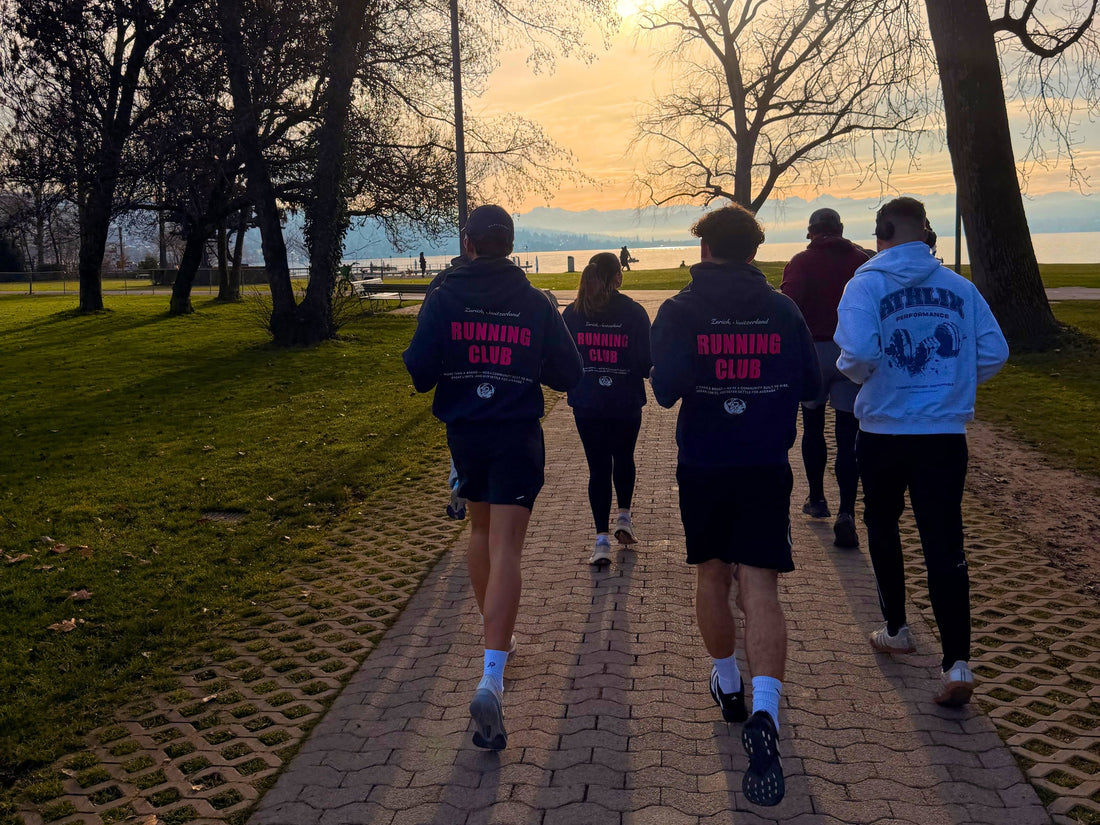
Clear routines bring more focus—during the day and at night.
Why sleep is the most underrated performance lever
Sleep isn’t just a feeling of recovery—it’s an active process. Your body powers down, sorts through stimuli, processes physical stress, repairs muscle fibers, and releases growth hormones. Adults are recommended to get at least 7 hours of sleep per night—for athletes, the need is often as high as 8–9 hours, according to the CDC. Studies show that people who regularly sleep fewer than 7 hours have a significantly higher risk of injury and slower cognitive reaction times.
That’s why it’s not just the number of hours that matters. Your rhythm, sleep quality, and behavior around sleep also play a role. This is emphasized by both the CDC and the Sleep Foundation’s sleep hygiene recommendations.
The most important sleep levers for athletes
What to pay attention to—from your wake-up time to your evening routine
Lever 1
Consistent wake-up time
Wake up at roughly the same time every day—even on weekends. Stabilizes your internal clock.
Lever 2
Morning daylight
Spend 10–15 minutes outdoors within the first 60 minutes after waking. Regulates cortisol and melatonin properly.
Lever 3
Caffeine cut-off
Last coffee 8–10 hours before bed. Caffeine has a half-life of 5–7 hours.
Lever 4
Clear evening transition
Reduce stimulation 30–60 minutes before bed, dim the lights, and don’t scroll.
Lever 5
Cool, dark environment
16–18°C in the bedroom, with the room darkened. Helps you reach deep sleep stages.
7–9 h
Athletes’ sleep needs
5–7 h
Caffeine half-life
+1.7 ×
Injury risk at <7 h
Values based on the CDC, Sleep Foundation, and studies on sleep duration and injury risk in athletes.
The practical steps—four levers you can implement right away
Sleep hygiene isn’t rocket science. It’s a few routines you follow consistently over several weeks. These four levers make the biggest difference:
- Keep your wake-up time consistent: The strongest lever isn’t your bedtime—it’s a consistent wake-up time. Don’t completely derail your schedule on weekends either, or Monday will feel like jet lag right away.
- Morning daylight: Get outside into daylight as early as possible, even if it’s only for 10–15 minutes. Light and movement first, then your phone and inbox—not the other way around.
- Stick to a caffeine cut-off: If you have more caffeine in the afternoon or early evening, you often don’t immediately notice that it’s affecting your sleep. You may still fall asleep, but the night can feel less restorative. The Sleep Foundation recommends leaving at least 8 hours between your last caffeine and bedtime.
- Clean evening transition: Reduce stimulation, scrolling, and hectic inputs 30–60 minutes before bed. A short mobility session, calm breathing, a shower, or reading often works better than rushing to get everything done.

Light in the morning, more calm in the evening—your day determines your night.
Common mistakes—and how to avoid them
The biggest misconception is the assumption that lost sleep can be made up on the weekend. Studies show that sleep deficits can be compensated for briefly, but chronic sleep deprivation permanently throws your immune system, performance, and mood off balance. If you sleep six hours every night during the week and sleep until noon on Saturday, you don’t make up for it.
A second mistake: using alcohol as a sleep aid. It can make you feel tired faster, while sleep quality suffers for many people. The second half of the night becomes more fragmented, and REM phases are suppressed. This is also clearly supported by the NIAAA. Eating very late and heavily can also keep the body in work mode for longer.
Athlix recommendation – your 7-day sleep plan
Don’t change everything at once. Take one week and implement three things properly: Days 1–2: set a consistent wake-up time and get daylight first thing in the morning. Days 3–4: no more caffeine after 14:00. Days 5–7: reduce stimulation 30 minutes before bed and make a clear downshift without scrolling. If you want to wind down better in the evening, create a clear setup: hang up your workout layer, like our Athlix Hoodies, instead of leaving it on the bed, and keep your phone away from the bed. It sounds simple—but these are exactly the micro-decisions that make the difference.
Conclusion
If you want to get more out of your training, you don’t always need to do more first. Often, better sleep can do more for you than an extra session. Not because sleep is magic, but because recovery never really works properly without good nights. Start with two or three simple levers, stick to them consistently for a week, and observe what changes.
Try it out and tag us on Instagram at @athlix.performance – we love seeing how you build your sleep routine, and we share the best posts with the community.