

Brick-Training
Brick Training: Transitioning from Cycling to Running in Triathlon
Wobbly legs after cycling? With brick training, you master the transition from bike to run, run more steadily, and save valuable time in triathlon.
- Published
- Reading time
- 4 min
- Author
- Athlix Performance
You get off the bike, take off your helmet, slip on your running shoes – and the first steps feel like two foreign legs belong to you.
Every triathlete knows this feeling: your thighs feel as heavy as concrete, your running style is awkward, your heart rate shoots up even though you feel like you’re moving at a snail’s pace. Welcome to the transition from cycling to running – the moment where triathlons are won and lost. The good news: this feeling can be trained. The tool for this is called brick training.

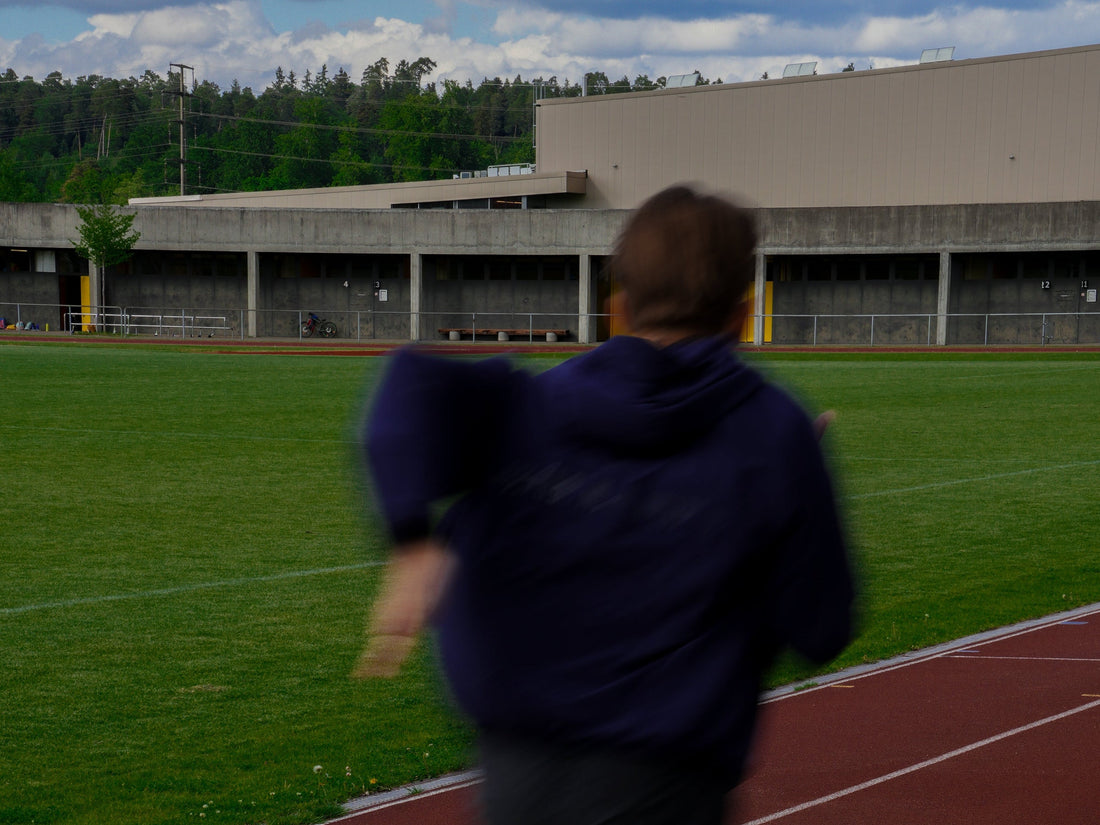
Your legs work completely differently on the bike than when running – the transition challenges your body every time.
What happens in your body during the transition
Cycling and running use the same muscles in fundamentally different ways. On the bike, your hip flexion ranges from about 75 to 110 degrees, while running involves only 10 to 50 degrees. Your nervous system must switch to a completely new movement pattern within seconds. At the same time, your cardiovascular system is still in bike mode: blood circulates in the pedaling muscles, and heart rate and breathing need to adjust. According to a study published in the journal Sports, oxygen uptake, breathing, and heart rate are significantly elevated in the first five to seven minutes after the transition – even at the same pace. Sports scientists estimate the additional energy cost of running immediately after cycling to be 1.6 to 11.5 percent. The interesting part: the greater this drop, the weaker the overall performance. Top triathletes lose the least here.
The Bike-to-Run Transition in Numbers
Why the first minutes after cycling are so tough – and how often you should practice them.
1.6–11.5%
higher energy consumption when running immediately after cycling
5–7 min
until heart rate, breathing, and running economy adjust
1×/week
brick training once a week is enough for clear adaptation
Sources: Sports (MDPI) 2019; Sports Performance Bulletin; USA Triathlon.
How to train the transition effectively
The solution is surprisingly simple: in brick training, you follow a cycling session immediately with a run, forcing your body to repeatedly practice the transition. Here’s how to approach it:
- Start short: Add 10 to 15 minutes of easy running after a relaxed bike ride. That’s all you need at the beginning – the stimulus is in the transition itself, not the volume.
- Simulate race pace: Ride the last 10 minutes on the bike at race pace, then run for 5 to 10 minutes at your target pace. This helps you learn to gauge the feeling under fatigue.
- High cadence: Run the first minutes with short, quick steps instead of long strides. This helps your legs get back into running rhythm faster.
- Practice the routine: Also train the transition zone itself – quick shoe lacing, parking the bike, and starting to run immediately. This routine saves valuable seconds during the race.

Every second counts after the transition – those who have trained the run arrive at the finish line more steadily.
The three most common mistakes
The biggest mistake is postponing brick training to the last days before the race. Adaptation takes time. USA Triathlon recommends regularly doing brick sessions at least six to eight weeks before the race – once a week is sufficient. Mistake number two: running too long after cycling. Running more than 60 minutes after the bike mainly leads to poor running form and increased injury risk because the muscles are already heavily fatigued. Keep runs short and sharp; 10 to 30 minutes are enough for the training stimulus. And mistake number three: starting too fast. Many rush out of the transition zone euphorically, overexert themselves in the first kilometers, and pay the price later. Start consciously controlled and let your body settle – the rhythm will come naturally after a few minutes.
Test it under real conditions
The best training is the real thing. If you want to try what you’ve learned under race conditions, you’ll soon have the chance in Switzerland: at the Zurich City Triathlon on June 27/28 right in the city or at the IRONMAN Switzerland in Thun on July 5, you can put your transition to the test under real conditions. For the run after the bike, lightweight, breathable gear pays off: the Driven Pace Performance Shorts and the Running Club Performance T-Shirt still fit perfectly even when it gets wet and sweaty – so you can fully focus on your legs instead of irritating seams.
Conclusion
The transition from bike to run is not fate but a skill. Those who regularly do brick training get their body and mind used to the change – and run confidently where others break down. You don’t need a complicated plan: a short run after the bike, once a week, six to eight weeks before your goal. The first minutes will never be effortless. But they will become your strength instead of your weakness.
Give it a try and tag us on Instagram at @athlix.performance – we look forward to seeing how you master your bike-to-run transition and sharing the best posts with the community.